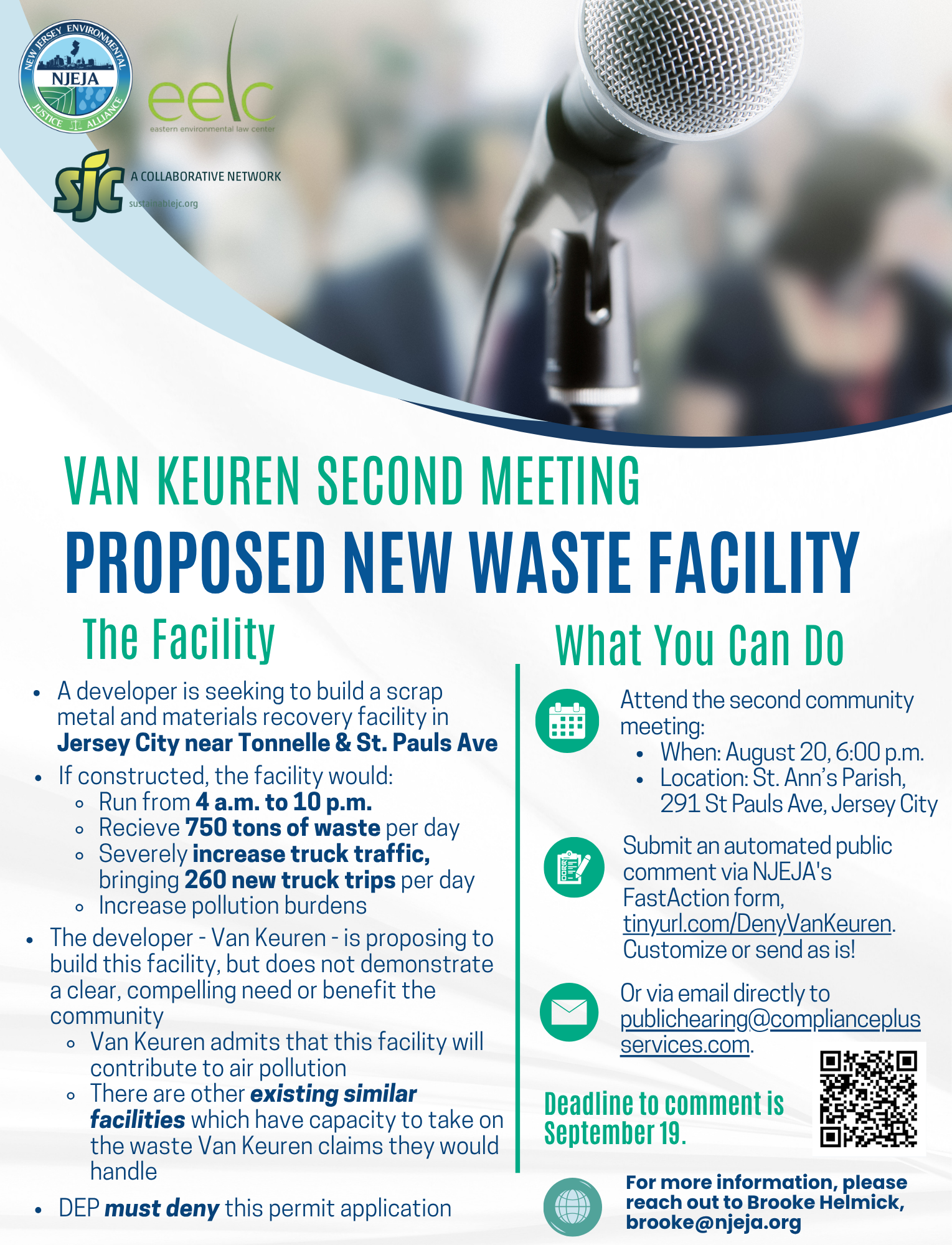
The 2nd Public Hearing That Was Scheduled For
Thurs Aug 20th @ 6pm
Has Been CANCELLED
View the Van Keuren Trash Facility Opposition Advocate Toolkit to stay informed and help raise awareness !
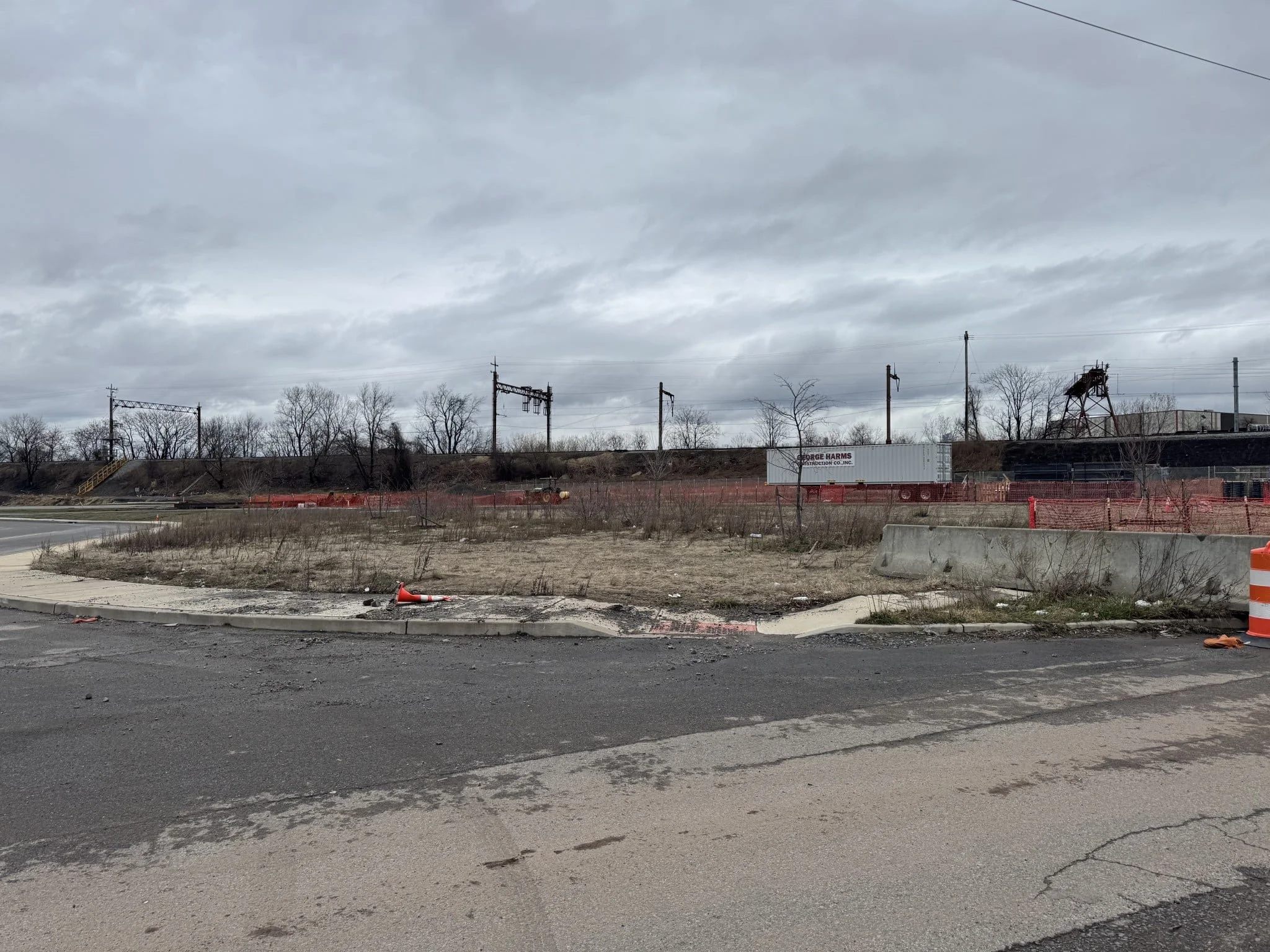
Van Keuren Avenue in Jersey City - proposed site for trash facility
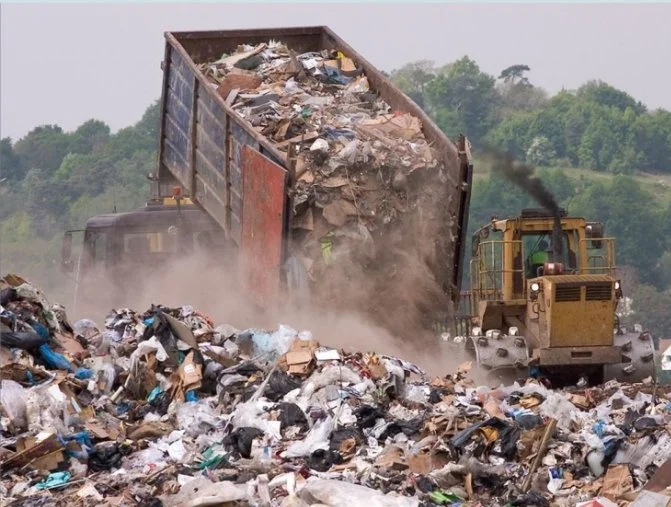
Example of waste facility transport operations
Say NO to the Proposed Van Keuren Trash Facility
in Jersey city !!!
A new large-scale ‘Solid Waste Transfer Station and Material Recovery Facility’ is being proposed by Van Keuren LLC for construction near St. Paul’s and Tonnelle Avenue in Jersey City. The facility would funnel regional waste to Jersey City, bringing diesel traffic and pollution directly to a community already suffering from environmental burdens. If successful, this will be the third of already two waste facilities in the neighborhood.
What are Trash Stations and Other Cumulative Impacts that Create Community Stressors in Jersey City ?
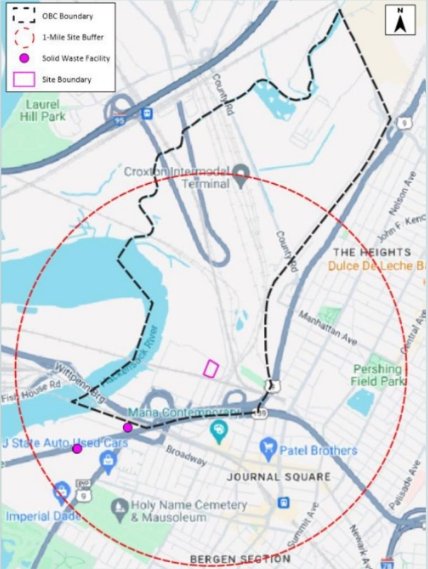
highlights the existing solid waste facilities in the neighborhood by the purple dots - within one mile of the proposed facility site are multiple affected neighborhoods such as the heights and journal square.
Transfer Stations are facilities that serve as an intermediary point for the collection and processing of municipal solid waste and other waste materials, temporarily holding them until they are consolidated into larger loads for transport to other facilities.
If permitted, the Van Keuren Waste Facility (Transfer Station) would bring 750 tons of waste per day to Jersey City to be processed and generate over 260 truck trips per day (coming and going), adding diesel emissions, noise, and traffic to this already overburdened community just west of Journal Square, also affecting all of Jersey City.
The proposed facility will be bringing in garbage from all around the region to process, including New York City and goes far beyond Jersey City’s waste stream.
This waste facility would also harm our environment and public health in an extreme way. Diesel emissions are associated with numerous negative health impacts, including asthma and cardiovascular risk, worsening existing health conditions including heart and lung disease. The U.S. EPA reports that “these conditions can result in increased numbers of emergency room visits, hospital admissions, absences from work and school, and premature death.”
To put into perspective of how this will directly affect our community: Within one mile of the proposed site, there are many areas where vulnerable people like children, the elderly, and the sick are concentrated and may be exposed to this pollution, which include :
14 hospitals, nursing homes, and/or medical centers
19 parks, playgrounds, recreational areas, and/or open spaces
12 schools
9 childcare facilities
Additionally, Transfer Stations are part of the wider umbrella of Polluting Facilities, stationary or mobile locations engaged in processes that release harmful substances into the environment at rates exceeding regulatory thresholds and demonstrably causing adverse ecological or public health issues. These Polluting Facilities frequently introduce pollutants such as particulate matter, greenhouse gases, heavy metals, and persistent organic compounds, disrupting ecosystem functions and posing risks to human well-being.
Jersey City already has the highest adult asthma rates in Hudson County, with Hudson County receiving a D for air quality from the American Lung Association (2025). Our map of “Asthma Alley” in the context of major transportation corridors through Jersey City reflects on these concerns. Now, looking at Community Stressors like Polluting Facilities, Traffic, Contaminated Sites, etc., the Van Keuren Waste Facility would add to the Cumulative Impacts already affecting vulnerable populations in certain geographies of Jersey City.
Community Stressors are facilities causing negative environmental or public health impacts. These stressors disproportionately affect overburdened communities, which are consensus block groups with low-income households or minority residents.
Cumulative Impacts, as also defined by the U.S. EPA, are the totality of exposures to combinations of chemical and nonchemical stressors and their effects on health, well-being, and quality of life outcomes. These include exposures to multiple stressors as well as exposures throughout a person’s lifetime.
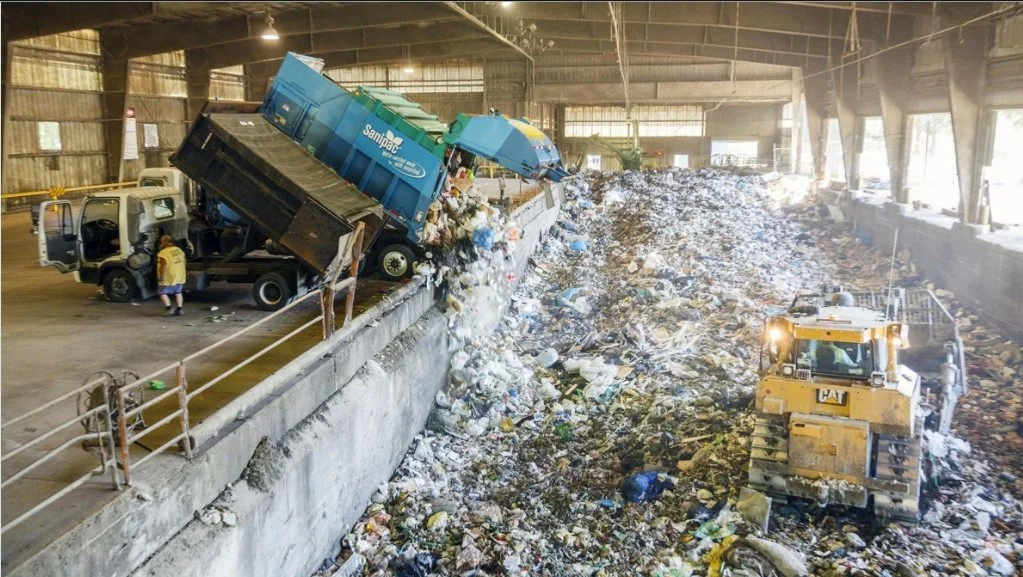
Example of transfer station
fighting for environmental justice
From the U.S. EPA, Environmental Justice (EJ) is the fair treatment and meaningful involvement of all people regardless of race, color, national origin, or income with respect to the development, implementation, and enforcement of environmental laws, regulations, and policies.
Jersey City is a beautiful, ethnically diverse city that houses over 300,000 residents. Along with ethnic diversity are wide socioeconomic gaps amongst residents, from the affluent Downtown area to economically burdened neighborhoods like West Side and Greenville. Comparing the Jersey City Household Income Map* to our Asthma Alley Map, we see a correlation between income and adult asthma prevalence. In fact, just above the Pulaski Skyway in the Marion Section lies Van Keuren Avenue.
From the maps, we see that Van Keuren is an area with low-earning to moderate-earning households alongside a crude prevalence of asthma greater than or equal to 9.6% (as of 2018). Additionally, neighborhoods within Asthma Alley (crude prevalence of asthma greater than or equal to 11.8%) also appear to be prevalent in low-earning to moderate-earning households. These correlations highlight the disparities between public health, income, and other socioeconomic factors that would only be worsened by an additional waste facility in or near these areas.
*The Jersey City Household Income map shows median household income in Jersey City by area. High-earning areas are in green, moderate-earning areas are in yellow, and low-earning areas are in red.
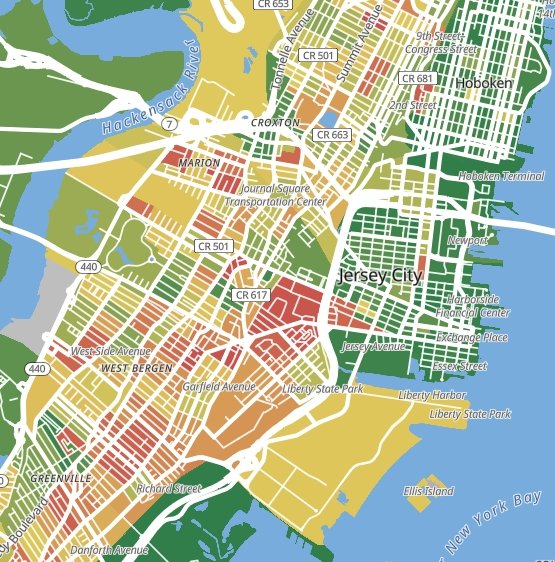
jersey city household income map from bestneighborhood.org (Accessed june 2026)
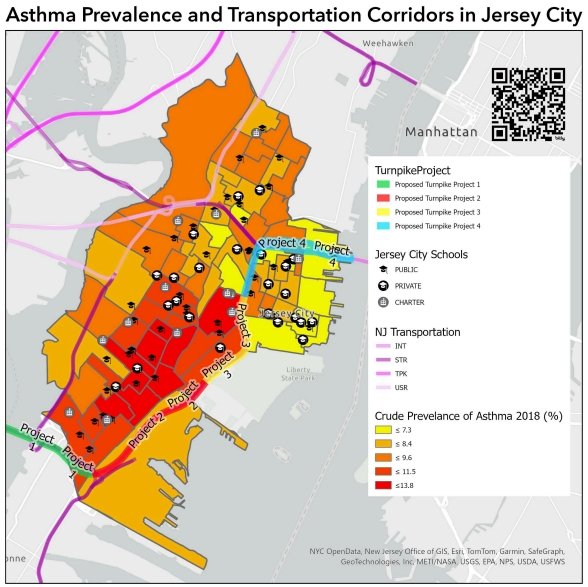
Asthma alley map
By definition, Environmental Justice (EJ) is defined as an Overburdened Community, as defined by the U.S. EPA. These are minority, low-income, tribal and indigenous populations or communities in the United States that (potentially) experience disproportionate environmental harms and risks due to exposures, Cumulative Impacts, or greater vulnerability to environmental hazards.
In addition to many EJ Communities in Jersey City, there are many in the wider New Jersey area, experiencing disproportionate effects in their communities. Across the bridge from where the Van Keuren facility is being proposed, neighborhoods like the Ironbound in Newark, NJ, are home to three existing fossil fuel power plants, New Jersey’s largest garbage incinerator, and numerous polluting facilities. These facilities only increase exposure to pollution and could result in increased risks to asthma, cardiovascular issues, diabetes, cancer, reproductive issues, and more. This is an already exasperated regional footprint as regards to Cumulative Impacts affecting vulnerable populations.
How Can you help ? here’s how you can take action !
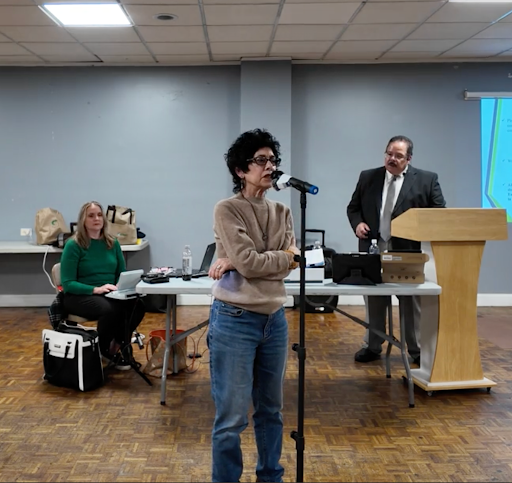
Debra Italiano, Founder and Chair of Sustainable Jersey City, speaking on her concerns with the Van Keuren proposal, impacts on Jersey City Greenways Development, and their connection to the NSJEA.
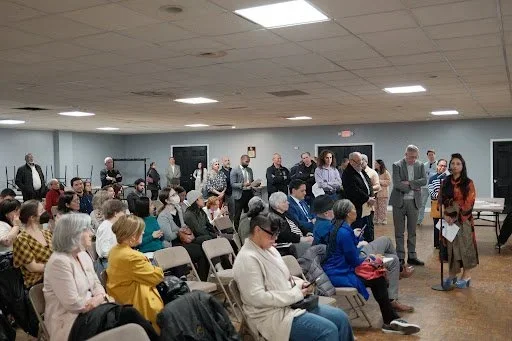
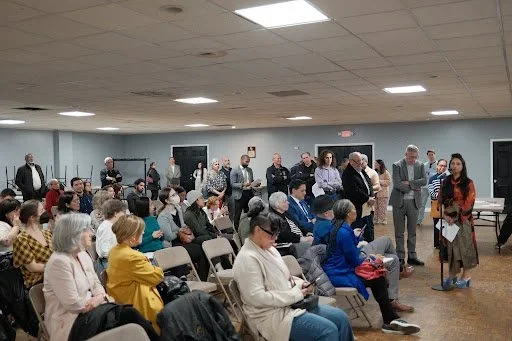
Jersey City Officials and community members at the Van Keuren Public Hearing, April 28, 2026.
At Sustainable JC, we are committed to fighting for Environmental Justice for the Jersey City community and the wider NJ/NYC area that will be affected by this facility. Your voice is the best way you can help !
Here are some concrete steps you can take to protect our environment and our community:
Submit a Public Comment Opposing the Van Keuren Waste Facility - customizable form here
Please see this document on How to Write a Public Comment (other languages TBD)
Go to the Van Keuren playlist on our YouTube channel - scroll down after the top 3 meeting recordings to listen to what people shared at the April 28th Public Hearing - Citizen Testimonies.
Join us on Thursday evening August 20th for the 2nd Public Hearing to oppose Van Keuren LLC in this proposed trash facility !
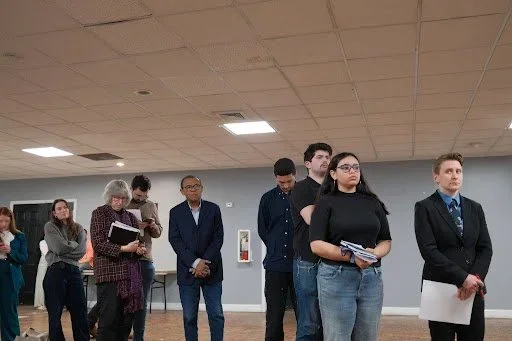
Partners from New Jersey Environmental Justice Alliance, Earthjustice, Eastern Environmental Law Center, and Sustainable Jersey City at the Van Keuren Public Hearing, April 28, 2026.
Additional References & Resources
References
From Research to Action: Tishman Center Staff Stand With Jersey City Residents in Fighting Cumulative Impacts — Sustainable Jersey City (Backgrounder)
Jersey City Residents Push Back on Third West Side Waste Facility – NJ Urban News
Additional Resources
SJC Story Maps explaining environmental health issues in Jersey City
JC Schools + Healthy Environment Story Map / Trees, Flooding and Air Pollution
Asthma Prevalence and Transportation Corridors in Jersey City Story Map
Jersey City has the highest adult asthma rates in Hudson County and the County received an ‘D’ for air quality from the American Lung Association this year.
NJ Department of Health & Department of Environmental Protection collaborative project called the Healthy Community Planning (HPC) Initiative
Jersey City Report by DOH & DEP with an explanation of each line item here - detailed report.
Regional comparision /source - DOH DEP HCP Program - Jersey City, Newark, Elizabeth
EPA Grant Award - Monitoring AQ In EJ Neighborhoods
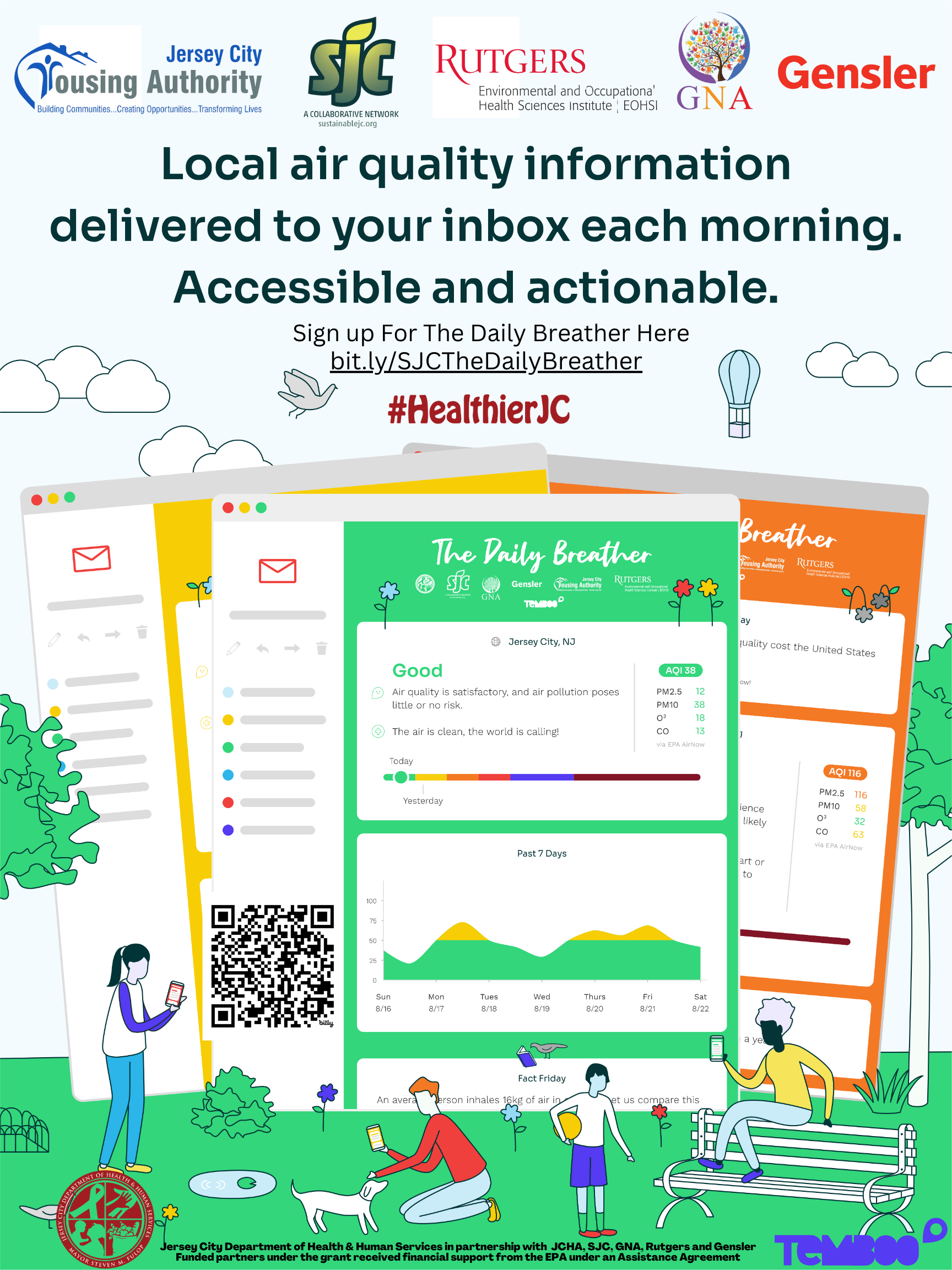
Stay informed about air quality in Jersey City by signing up for The Daily Breather to receive daily air quality updates.
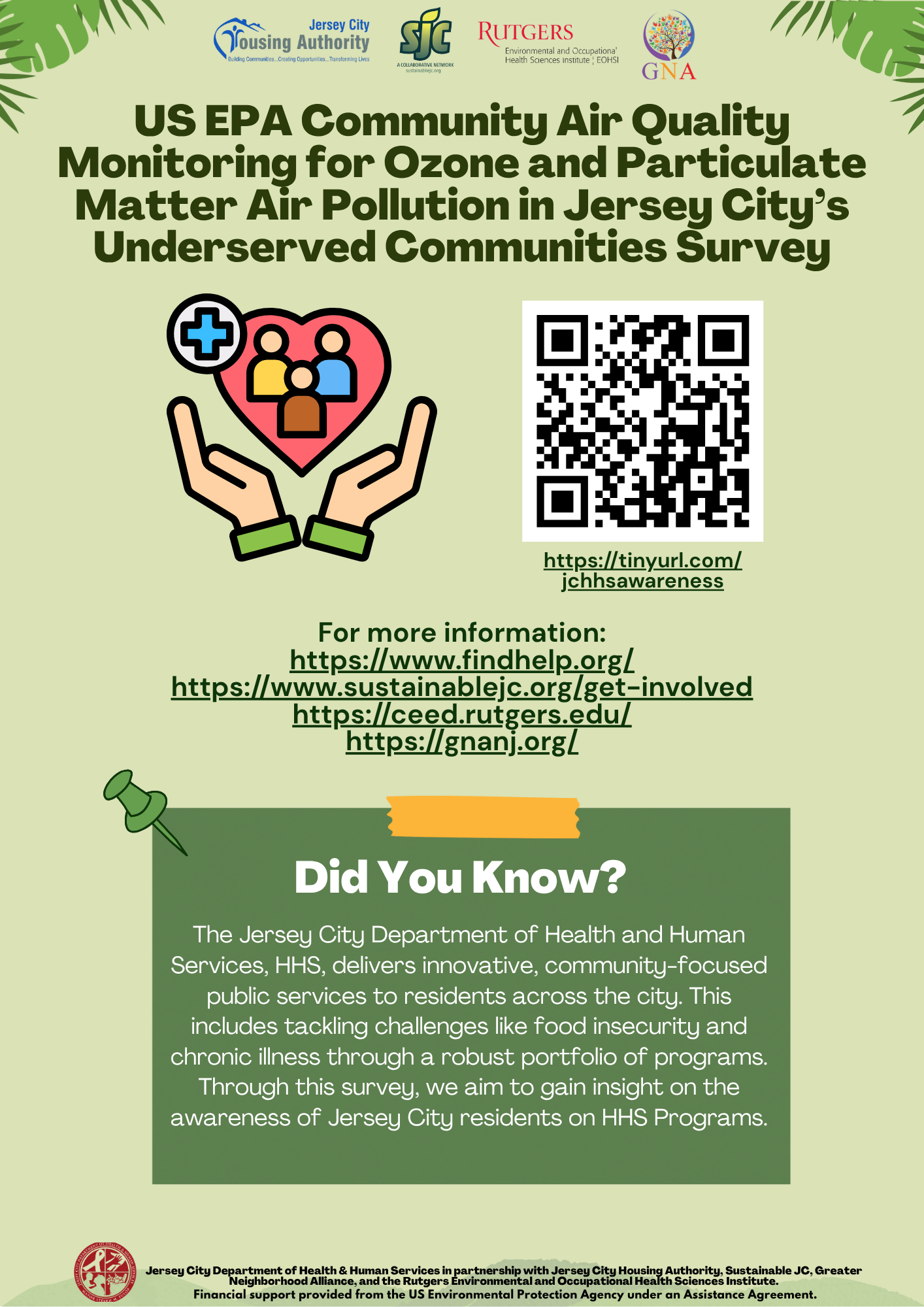
Fill out our US EPA Community Air Quality Monitoring for Ozone and Particulate Matter Air Pollution in Jersey City’s Underserved Communities Survey, an anonymous survey that helps SJC, Jersey City Health & Human Services, and the US EPA have a better understanding of the ongoing air quality and public health issues our communities face.